Local Insights to Apex Deck Builders Georgetown
Weather-Resistant Decking: Protect Your Investment From the Elements
Weather-resistant decking acts as a critical component in preserving exterior areas from severe weather conditions. It gives homeowners a reliable solution to guard against issues including warping and rotting. By opting for durable materials such as composite or PVC decking, homeowners can attain both durability and visual appeal. Nevertheless, grasping the details of diverse decking materials and their maintenance needs is crucial for reaching a knowledgeable decision. The subsequent sections will discuss these considerations in greater detail.
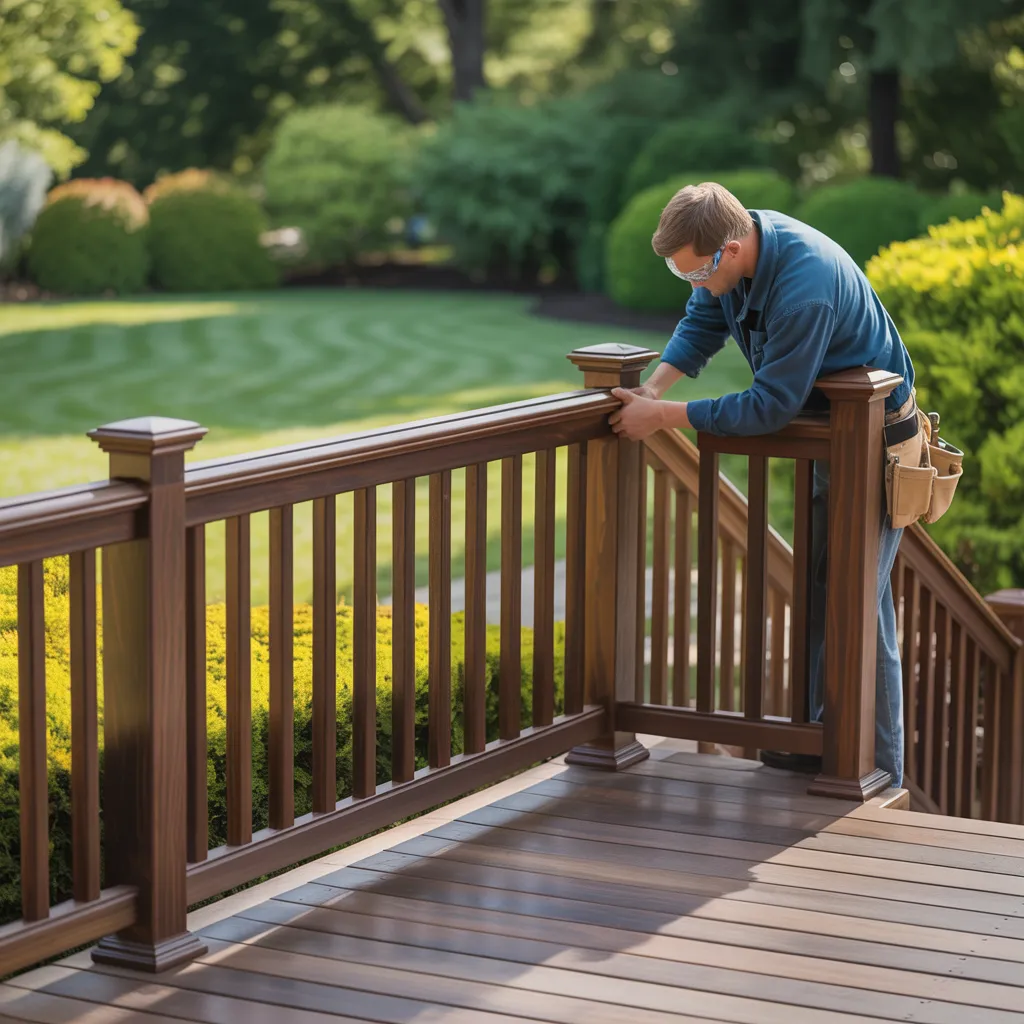
What Is All-Weather Decking and Why You Should Consider It?
Weather-proof decking, which is designed to withstand the elements, offers significant advantages for outdoor spaces. This type of decking is typically constructed from materials that resist moisture, UV rays, and extreme temperatures, ensuring longevity and durability. Common materials include composite, PVC, and treated wood, every one crafted to resist challenges including warping, deterioration, and discoloration.
Homeowners often seek weather-resistant deck materials to safeguard their investments, because standard wood decking frequently necessitates ongoing maintenance and renewal. The strength of weather-resistant decking solutions not only elevates the overall appearance but also promotes safety by minimizing hazards linked to slippery surfaces. Moreover, such materials are often more environmentally conscious, since they are frequently crafted from recycled materials. Overall, weather-resistant decking serves as a practical solution for individuals seeking to establish a useful and visually pleasing outdoor environment that stands the test of time.
Key Benefits of Weather-Resistant Decking Materials
Weather-proof decking materials offer a variety of important benefits that make them highly sought after by homeowners. Such materials are recognized for their superior durability and long lifespan, requiring less maintenance over time. Additionally, they offer outstanding visual appeal, allowing for a beautiful outdoor space that stands the test of time.
Superior Durability and Extended Lifespan
Selecting weather-resistant decking materials greatly improves durability and longevity, making them an excellent solution for exterior living areas. These products are intentionally crafted to withstand harsh weather conditions, including strong sunlight, significant precipitation, and frigid conditions. In contrast to conventional timber, which can warp, splinter, or rot over time, resilient materials preserve their form and visual appeal for years. High-performance composites and synthetic options typically withstand moisture, UV rays, and pests, considerably reducing the risk of damage. This resilience not only extends the lifespan of the decking but also ensures it maintains its visual attractiveness. Choosing these materials ultimately results in reduced maintenance and fewer replacements, giving homeowners a sustainable, economical answer for outdoor enjoyment.
Reduced Upkeep Requirements
Opting for weather-resistant decking materials greatly reduces maintenance requirements for homeowners. In contrast to conventional wooden decks that need regular staining, sealing, and painting, weather-resistant options commonly necessitate little ongoing care. These solutions are crafted to handle moisture, UV radiation, and shifting temperatures, greatly diminishing the probability of warping, rotting, or fading. Property owners can anticipate spending less time on demanding tasks like scrubbing or fixing damage, enabling them to make the most of their outdoor areas. In addition, several weather-resistant products require nothing more than soap and water to clean, simplifying the maintenance process even more. This easy-care feature not only reduces effort but also promotes lasting financial savings, making it a practical choice for those looking to enhance their outdoor living areas.
Remarkable Aesthetic Appeal
When improving outdoor visual appeal, homeowners find that weather-proof deck materials offer a visually appealing alternative to standard materials. Available in various colors, textures, and finishes, these materials can complement virtually any home design, boosting the general curb appeal of the property. Compared to standard timber, which may warp or fade over time, durable alternatives maintain their striking look, ensuring long-lasting beauty. Several materials are crafted to mimic the look of natural wood, delivering a sophisticated appearance without the typical upkeep demands. Furthermore, current design developments permit for smooth incorporation with outdoor elements and garden furniture, establishing a unified outdoor setting. In the end, the exceptional beauty of weather-resistant decking materials not only enhances exterior areas but also elevates the value of the home.
Essential Features of Weather-Resistant Decking
Weather-resistant decking boasts several key features that render it a perfect option for outdoor spaces. A notable feature is its capability of handling extreme weather challenges, including rain, snow, and UV exposure. This strength is commonly reinforced by composite and PVC materials, which prevent warping, splintering, and fading. Furthermore, many weather-resistant deckings are designed with low maintenance in mind, requiring minimal upkeep relative to conventional wood choices. They are often resistant to mold and mildew, ensuring a safer and cleaner environment. Moreover, these types of decking typically feature anti-slip textures, ensuring stability during rainy conditions. Their color retention capabilities also contribute to long-lasting visual appeal, as they hold their color through the seasons. Combined, these attributes not only enhance the deck's lifespan but also offer property owners confidence, assured that their investment is safeguarded from the elements.
Evaluating Types of Weather-Resistant Decking
When evaluating various durable decking options, two commonly considered choices are composite and PVC options. Composite decking provides benefits including enhanced visual appeal and eco-friendly properties, while PVC decking is celebrated for its durability and low maintenance requirements. Grasping these key differences allows homeowners to make educated decisions aligned with their particular needs.
Advantages of Composite Decking
Composite decking offers many benefits that establish it as a preferred solution for homeowners in need of long-lasting and easy-to-maintain outdoor decking options. Made from a combination of recycled plastic and wood fibers, composite materials are resistant to fading, staining, and mold growth, guaranteeing durability against the elements. Compared to conventional wood, composite decking does not splinter, offering a safer environment for families and pets. Its minimal upkeep needs are equally attractive, as it typically only needs periodic cleaning with mild soap and water. Furthermore, composite decking is available in various colors and finishes, allowing for customization to match any home aesthetic. This union of resilience, safety, and flexibility establishes composite decking as a premier choice in the realm of weather-resistant outdoor materials.
Advantages of PVC Decking
Resilience serves as a major strength of PVC decking, making it an excellent alternative to standard wood and composite products. Compared to wood, PVC decking is impervious to rot, mold, and pest damage, ensuring a longer lifespan with minimal maintenance. Furthermore, it is impervious to moisture, which reduces the risk of warping and cracking common in wood materials. This product also delivers a wide range of colors and finishes, allowing for versatile design options that can enhance outdoor aesthetics. In addition, PVC decking does not require painting or staining, helping homeowners conserve time and reduce costs. Thanks to its resilience against severe weather conditions, PVC decking delivers a trusted, minimal-upkeep solution for improving outdoor areas while shielding investments from weather damage.
Picking Your Weather-Resistant Decking
Choosing the right weather-resistant decking demands thorough evaluation of multiple aspects to ensure lasting quality and functionality. Residents should first evaluate the range of materials on offer, such as aluminum, composite, or PVC, with each providing unique benefits regarding durability and maintenance.
Furthermore, it is important to evaluate the environment in which the decking will be fitted. For locations with severe weather conditions, materials with superior UV resistance and minimal moisture uptake should be considered.
In addition, the aesthetic quality of the decking should not be ignored; color and texture should complement the overall design of the home.
Financial factors also play an important role; while some materials may have a higher upfront cost, they typically offer greater long-term value thanks to their durability and minimal maintenance requirements.
Furthermore, researching the warranties offered by manufacturers can shed light on the quality and expected lifespan of the decking products.
Looking After Your Weather-Resistant Deck
Keeping a weather-resistant deck is important for preserving its aesthetics and performance over time. Regular cleaning is critical; utilizing a broom or leaf blower to clear away debris prevents mold and mildew buildup. A mild wash with soap and water can work to sustain the deck's overall surface, while a soft-bristle brush can handle difficult stains.
Inspecting the deck regularly explore for signs of wear, such as warped planks or discoloration, facilitates early intervention. Adding a protective sealant every several years can improve resilience against sun exposure and water damage. Additionally, avoiding the use of harsh chemicals or abrasive tools will protect the deck surface.
Regular seasonal upkeep is equally important. Removing snow and ice during winter months and ensuring adequate drainage can help avoid structural damage. By following these care guidelines, homeowners can make certain their weather-resistant decking remains a beautiful and functional outdoor space for years to come.
Discover Weather-Resistant Decking in Person
Weather-resistant decking is well-suited in a variety of settings, demonstrating its flexibility and attractive qualities. Homeowners often choose this material for outdoor spaces, turning backyards into charming and relaxing spaces. Across urban landscapes, weather-resistant decking enhances rooftop garden spaces, creating a sophisticated setting for leisure and social occasions.
Public spaces, such as recreational areas and waterfronts, make use of this durable option to elevate outdoor environments while minimizing maintenance needs. Dining establishments and cafes gain advantages too, as all-weather decking holds up against harsh conditions, ensuring patrons enjoy comfortable dining experiences year-round.
In addition, residential projects more and more incorporate this type of decking into their layouts, appealing to prospective buyers desiring easy-to-maintain outdoor environments. By seeing these installations in real life, people can understand not only the real-world benefits but also the aesthetic upgrades that all-weather decking brings to different environments. At its core, it functions as a reflection of the balance between performance and design in outdoor spaces.
Commonly Asked Questions
How Long Does Weather-Resistant Decking Typically Last?
Weather-resistant decking generally lasts anywhere from 15 to 25 years, depending on the type of material, upkeep routines, and surrounding environmental factors. Regular maintenance can greatly extend its lifespan, providing enduring value and resilience for homeowners.
Am I Able to Install Weather-Resistant Decking by Myself?
Absolutely, a homeowner can set up weather-resistant decking themselves, provided they have fundamental carpentry abilities and follow the manufacturer's guidelines. However, reaching out to experts may ensure optimal results and compliance with local building regulations.
What Colors and Style Choices Are Available for Weather-Resistant Decking?
A diverse range of color options and styles are offered for weather-resistant decking, encompassing rich earthy tones, bold vibrant hues, and natural wood finishes. Options range from standard planks to sleek modern interlocking designs, accommodating a broad spectrum of aesthetic tastes.
Is Weather-Resistant Decking Environmentally Friendly?
Weather-resistant decking can be eco-friendly, according to the materials selected. A variety of manufacturers supply recycled alternatives or responsibly sourced timber, lowering the overall environmental footprint. That said, purchasers should examine specific options to ensure they adhere to environmentally responsible standards.
How Does Weather-Resistant Decking Compare in Cost to Traditional Decking?
Weatherproof deck materials typically has a higher upfront cost in comparison to traditional decking materials. That said, its long-lasting nature and reduced maintenance requirements can lead to significant savings in the long run, making it a more cost-effective option in the long term.